


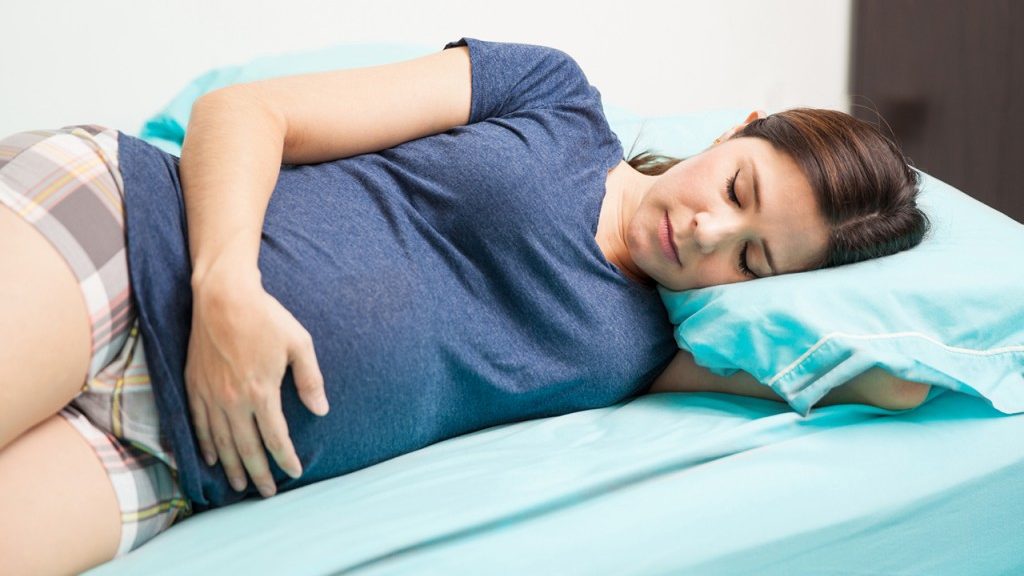
Sleeping comfortably during pregnancy can be hard especially during the second and third trimester when the bump has grown bigger and the baby is active. Pregnancy comes with some discomfort including back pain,heartburn, and shortness of breath which may mean that your normal sleeping position no longer works. You will therefore need to find ways to ensure you sleep better because the developing foetus needs a well rested mother.


Common sleep related problems during pregnancy.
Due to hormonal changes and the obvious physical changes taking place in your body, you may experience some problems with sleep. It is not uncommon to hear pregnant women complain about lack of sleep and feelings of fatigue throughout the entire pregnancy. Some of the sleep related issues that may arise include:-
- Insomnia
is a sleep disorder that manifests in poor sleep quality. You may not sleep at all or you will keep waking up during the night and once awake you will have problems going back to sleep.
- Restless leg syndrome manifests in extreme leg discomfort especially when at rest.The legs may cramp, itch or have a pulling sensation. Needless to say, this makes it very hard to sleep. Constantly adjusting the position of the leg brings temporary relief but it is something you will have to do the whole night.The result is sleep disruption due to the constant shifting of your body.
- Obstructive Sleep Apnea results in interrupted breathing due to an obstruction in the upper airways. The sleep pattern will include choking, snoring, pauses in breathing and gasping. The brain will signal the body that it needs to breathe resulting in sleep interruption and leading to fatigue and possibly headaches because of lower oxygen levels in the body.
- Daytime sleepiness is a result of poor sleep at night. The body feels overwhelmingly fatigued and you may find yourself taking naps during the day.
- Heartburn in pregnant women occurs due to hormonal changes that cause the digestive system to slow down. The fetus may also put pressure on the stomach pushing the acids up the esophagus. Lying down can make the acid move up the esophagus thus the heartburn.
- Frequent urination disrupts the sleeping pattern due to the many bathroom breaks.


What are the best positions for sleeping during pregnancy?
- Sleeping on the left Side
The most comfortable and practical way to sleep is on your left side. This allows for an increased flow of blood and nutrients to the baby. Research further supports sleeping on the left side as it aids in alignment by maintaining a neutral spine,keeping the neck, shoulders and lower back in one continuous shape.
- Keep your legs bent.
Keeping the legs and knees bent benefits the kidney by assisting in eliminating waste and fluids from the body. It also helps reduces welling in the hands, feet and ankles.
- Do use a pillow and prop up your body.
Use a pillow between your legs and under your abdomen if you are experiencing back problems. There are special pregnancy pillows that will help you find great relief.
A pillow will help you deal with heartburn and shortness of breath. Just prop up your body on the bed using the pillows to ensure your torso is elevated, almost in a seated position. The position puts less pressure on the diaphragm and helps with the breathing. Full body pillows offer the best kind of support.
- Do not sleep on your back
In the first trimester you can continue to sleep on your back if that your preferred position. However in the second and third trimester, sleeping on your back can bring you many problems including back aches, Low blood circulation, dizziness, digestive system problems, decreased blood circulation and hemorrhoids. For some women it can cause an elevation in blood pressure and sleep apnea. This is because the weight of the growing foetus will be resting on your internal organs including blood vessels and your intestines.


Sleeping on your back can also cause stillbirths because the baby is less active and the heart-rate patterns change. This is because of less oxygen flow to the baby when the mother lies on her back.
- Do not sleep on your stomach
This may not even be something you can do in the third trimester due to the size of the bump and tender breasts. Despite the discomfort, sleeping on your stomach may actually not hurt the baby due to the uterine walls providing enough protection.
- Do not sleep on the right side
Sleeping on the right side for extended periods of time during pregnancy can interfere with your liver functions due to the weight of the foetus. If your left side gets tired then by all means sleep on the right but for a short time.
Conclusion
Sleeping during pregnancy is not easy for most women. The hormonal changes in your body brings with it associated problems including heartburn, frequent urination, sleep apnea amongst other issues. The growing bump also means that the sleeping position that was previously comfortable is not any more.

Use the correct sleeping position to help you get that much needed sleep. You can also embrace some techniques to help you sleep including avoiding late night meals to help ease on the reflux or heartburn. If you are totally unable to sleep then you will be better off utilizing that time doing something else like reading or watching a movie. If you are feeling especially active then you can catch up on some pending housework. However, be careful because you do not want to over stimulate the body.
There are some alarm clocks that have natural sounds like rain, waves, forest sounds or birds which have a calming effect and can lull you to sleep. Set the sleep timer to switch the alarm off so that you do not have to get up and switch it off thus interrupting your sleep.
Most of all ensure your bed is comfortable with a firm mattress that will give your body full support.