


- 1 Types of Robots in Industrial Workflows
- 1.1 Manufacturing Robots
- 1.2 Logistics and Warehousing Robots
- 1.3 Collaborative Robots (Cobots)
- 1.4 Autonomous Mobile Robots (AMRs)
- 2 Key Technologies Enabling Robotic Automation
- 2.1 Artificial Intelligence and Machine Learning
- 2.2 Internet of Things (IoT)
- 2.3 Computer Vision
- 2.4 Cloud Computing
- 3 Benefits of Robotic Automation in Industrial Workflows
- 3.1 Enhanced Efficiency and Productivity
- 3.2 Cost Savings and Return on Investment (ROI)
- 3.3 Increased Worker Safety
- 3.4 Scalability and Flexibility
- 4 Challenges and Limitations of Industrial Robots
- 5 Conclusion
The rise of automation has transformed industries across the globe. Robots, once confined to repetitive and straightforward tasks, now handle complex and dynamic roles across sectors. This shift has brought remarkable improvements in efficiency, precision, and safety, positioning automation as a game-changer in industrial workflows.
Types of Robots in Industrial Workflows
Today’s industries use a diverse range of robots tailored to specific applications. Here’s a look at the main types that are reshaping workflows across sectors.
Manufacturing Robots
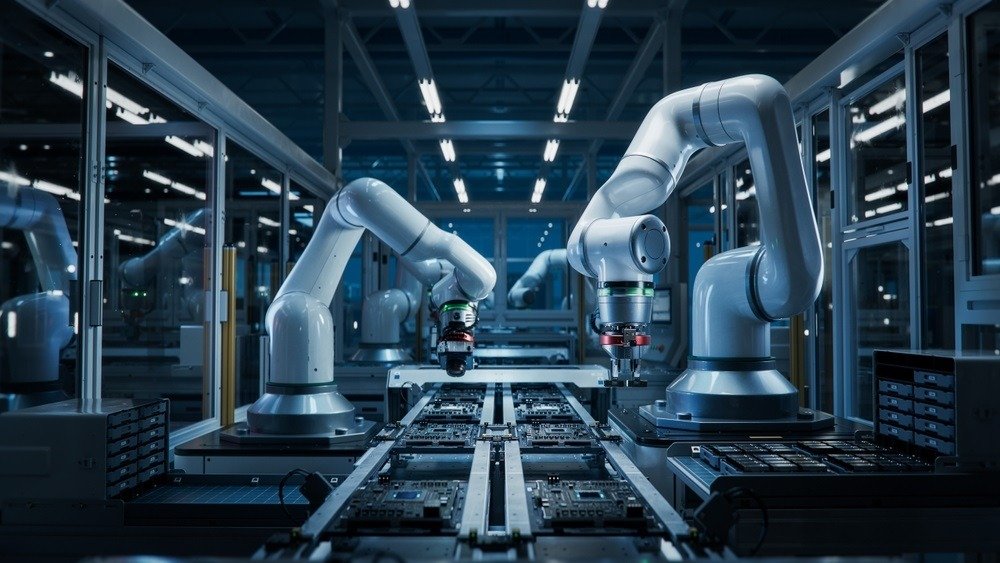
Manufacturing robots are designed for repetitive, high-speed tasks like assembly, welding, and packaging. They work with accuracy and speed that far surpasses human capabilities, ensuring consistency and minimizing errors. By handling physically intensive tasks, these robots reduce human fatigue and increase production rates.
Logistics and Warehousing Robots
The logistics sector relies heavily on automation, using robots for order picking, sorting, and transportation within warehouses. These robots streamline workflows and are essential in e-commerce, where fast, efficient order fulfillment is crucial. Amazon, for instance, uses a fleet of robots in its warehouses to boost efficiency and deliver goods faster to customers.
Collaborative Robots (Cobots)
Unlike traditional robots, collaborative robots—commonly known as cobots—are designed to work safely alongside humans. Cobots are equipped with sensors and AI capabilities that allow them to detect and respond to human presence, making them ideal for tasks that require a combination of human expertise and robotic precision.
Autonomous Mobile Robots (AMRs)
Autonomous Mobile Robots, or AMRs, have become common in manufacturing and logistics for delivering materials and supplies within production facilities. AMRs navigate autonomously using sensors, computer vision, and mapping technology, reducing human intervention and freeing up human workers for more complex tasks.
Key Technologies Enabling Robotic Automation
The success of robotic automation is closely tied to advancements in several core technologies that enhance robots’ autonomy, intelligence, and adaptability.
Artificial Intelligence and Machine Learning
AI enables robots to “learn” from data, adapt to changes, and improve over time. In industrial workflows, AI-powered robots can perform tasks autonomously, such as defect detection and real-time decision-making. For example, in quality control, AI-driven robots can identify product anomalies with extreme precision, reducing wastage and maintaining high standards.
Internet of Things (IoT)
The Internet of Things (IoT) connects robots with other devices, machines, and sensors, creating a highly integrated environment where data flows seamlessly. This connectivity enables real-time monitoring and control, ensuring robots can respond dynamically to changes in the production line.
Computer Vision
Computer vision gives robots the ability to “see” and interpret visual data. In industrial settings, computer vision is crucial for tasks like object identification, quality inspection, and precise positioning. This technology is especially valuable in sectors like electronics manufacturing, where components are small and require high levels of precision.
Cloud Computing
Cloud technology allows robots to access vast amounts of data, making real-time data analysis and decision-making possible. By storing and processing data in the cloud, robots can handle complex computations and adapt to real-time changes without relying solely on onboard computing power. This scalability also makes it easier to implement in a robot universal solutions, across multiple facilities or regions.
Benefits of Robotic Automation in Industrial Workflows
Robotic automation offers several clear benefits, from boosting productivity to enhancing workplace safety. Here’s a look at some of the most impactful advantages.
Enhanced Efficiency and Productivity
Automation enables companies to complete tasks faster and with greater precision. Robots minimize errors, reduce downtime, and maintain consistent production levels, allowing facilities to operate around the clock without performance dips.
Cost Savings and Return on Investment (ROI)
While the initial cost of deploying robotics can be high, companies often see significant long-term savings. By reducing human error, waste, and labor costs, robotic systems generate substantial ROI. Automation can also extend equipment lifespans by performing tasks within optimal operating parameters.
Increased Worker Safety
By taking on dangerous or physically demanding tasks, robots reduce the risk of workplace injuries. This is particularly beneficial in industries like manufacturing and construction, where hazardous conditions are common. Robots can work in extreme environments, such as high temperatures or toxic atmospheres, where human exposure would be unsafe.
Scalability and Flexibility
Robots can be easily reprogrammed or upgraded to handle new tasks, making them versatile assets for companies. As demand changes, robotic systems can be scaled up or down, providing businesses with a flexible solution that aligns with market fluctuations.
Challenges and Limitations of Industrial Robots
Despite their advantages, robotic automation does have limitations that companies must address to achieve a balanced approach.
The cost of acquiring, installing, and maintaining robots can be prohibitive, particularly for smaller businesses. Even though long-term ROI may justify the investment, the upfront capital requirement can deter many companies from adopting automation.
Automation has raised concerns about job displacement, as robots take on tasks traditionally performed by humans. However, this trend also creates opportunities for reskilling and redeployment within organizations. Many companies are investing in training programs to help employees transition to roles that require human creativity, problem-solving, and management skills.
Conclusion
The rise of robotic automation has undeniably revolutionized industrial workflows, unlocking new levels of productivity, efficiency, and safety. While challenges remain, particularly around costs, workforce impact, and cybersecurity, the benefits of integrating robots into industrial processes are clear. As industries continue to evolve, robots will play an increasingly pivotal role, pushing the boundaries of what’s possible and reshaping the future of work.

